Hazard intake
We capture impact, compression, electrical exposure, static control, wet ground, ladders, and shift length before discussing styles.
Good work boot programs start before the purchase order. KEEN Utility helps supervisors and procurement teams describe the surface, weather, electrical exposure, toe protection requirement, width mix, and replacement timing that shape a safer footwear list.
The service path is built for practical decisions. A facility may need ASTM F2413-18 M/I/75/C/75 safety toe options, EH coverage for electrical maintenance, ESD work shoes for electronics areas, waterproof boots for outdoor utilities, or slip-resistant soles for polished concrete. We organize those needs into a list your crew can understand.
Start a Service Request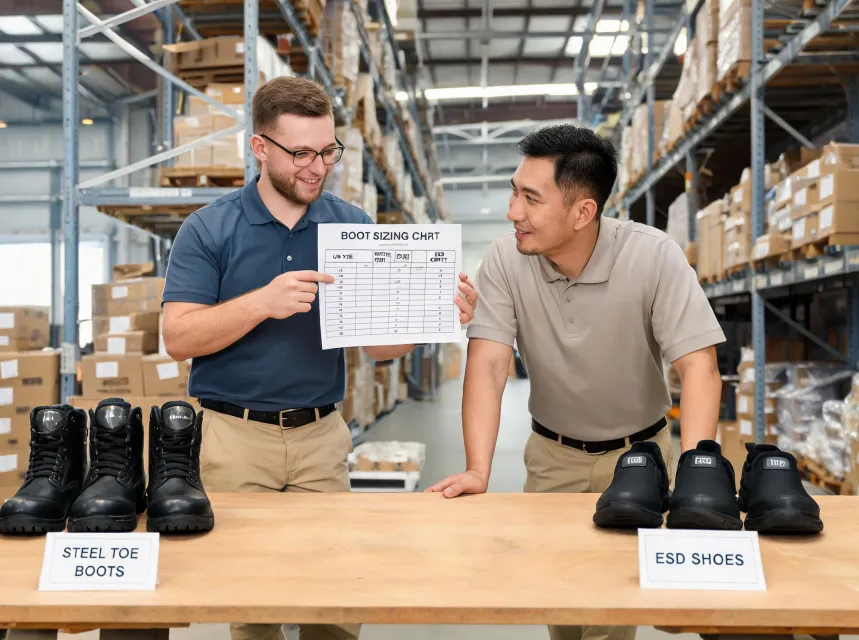
The service model gives buyers enough structure to avoid mismatched footwear while keeping the conversation friendly for supervisors, safety teams, and workers who care about comfort.
We capture impact, compression, electrical exposure, static control, wet ground, ladders, and shift length before discussing styles.
Men's, women's, wide widths, break-in comfort, insole needs, and seasonal socks are considered before a large order is released.
Small test quantities help confirm traction, toe comfort, heel hold, waterproof performance, and worker acceptance.
Approved lists, alternates, and replacement timing help avoid one-off buying that drifts away from the safety plan.
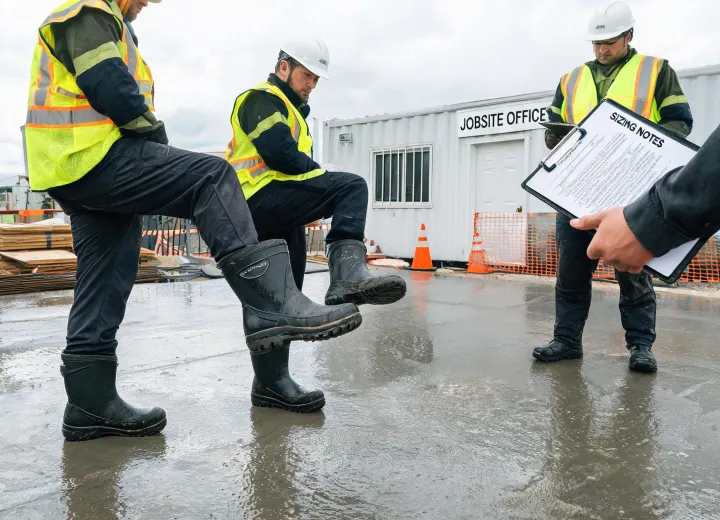
A regional contractor needed boots that handled wet ground, toe impact, and long walking routes without creating a heavy all-purpose requirement for every worker. KEEN Utility separated waterproof safety toe boots from lighter dry-weather work shoes and added a width review before rollout. The result was a clearer ordering path: supervisors knew which crews needed extra weather protection and which crews needed breathable comfort for indoor work.
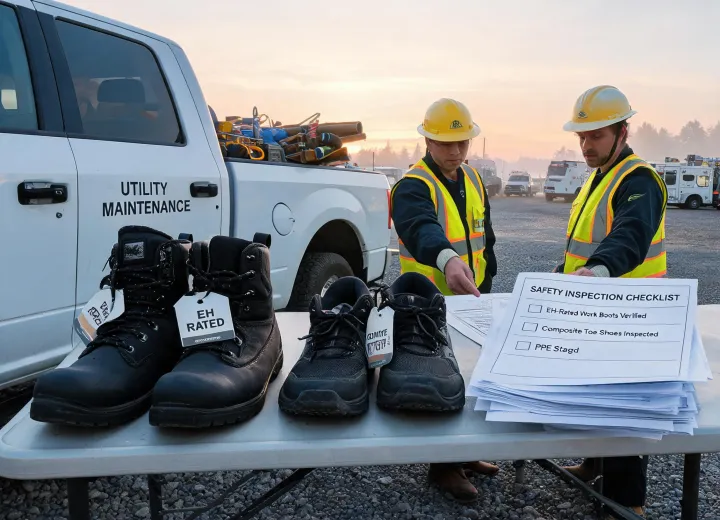
The utility buyer wanted a repeatable footwear list for crews moving between service yards, ladders, and electrical rooms. The review organized options by EH preference, outsole feel, ankle support, and winter replacement timing. The service note did not promise universal coverage. It gave the buyer a practical comparison sheet and a smaller list of styles to trial with workers before the next order window.
Tell us how many workers need footwear, where they work, what is wearing out too fast, and which standards are already written into your purchasing documents. We will respond with a practical path for product review, sampling, or quote coordination.
Share work setting, toe protection needs, EH or ESD expectations, sizing concerns, and rollout timing. A program specialist will respond with practical next steps.